Ecosystem Challenges in Iraq
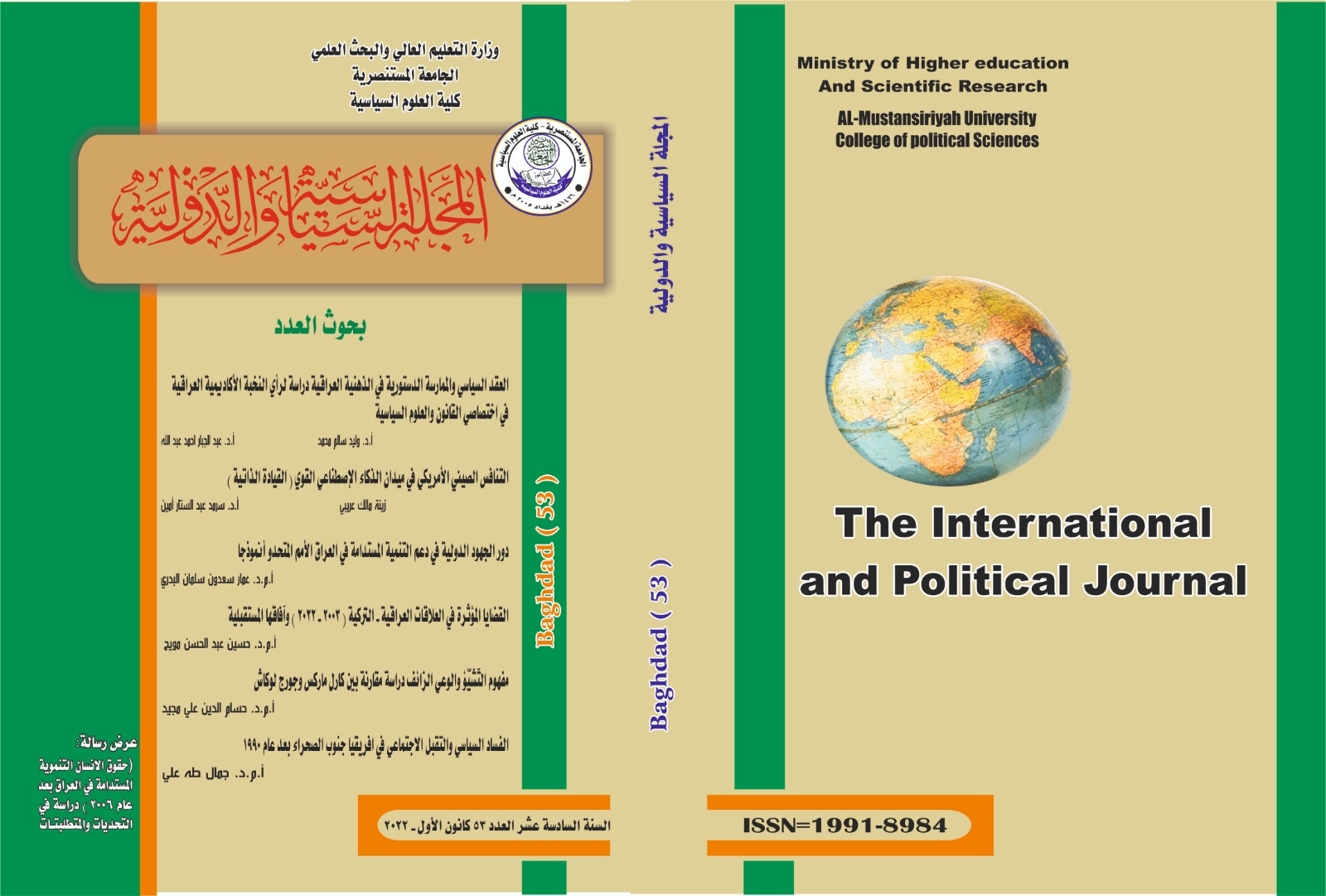
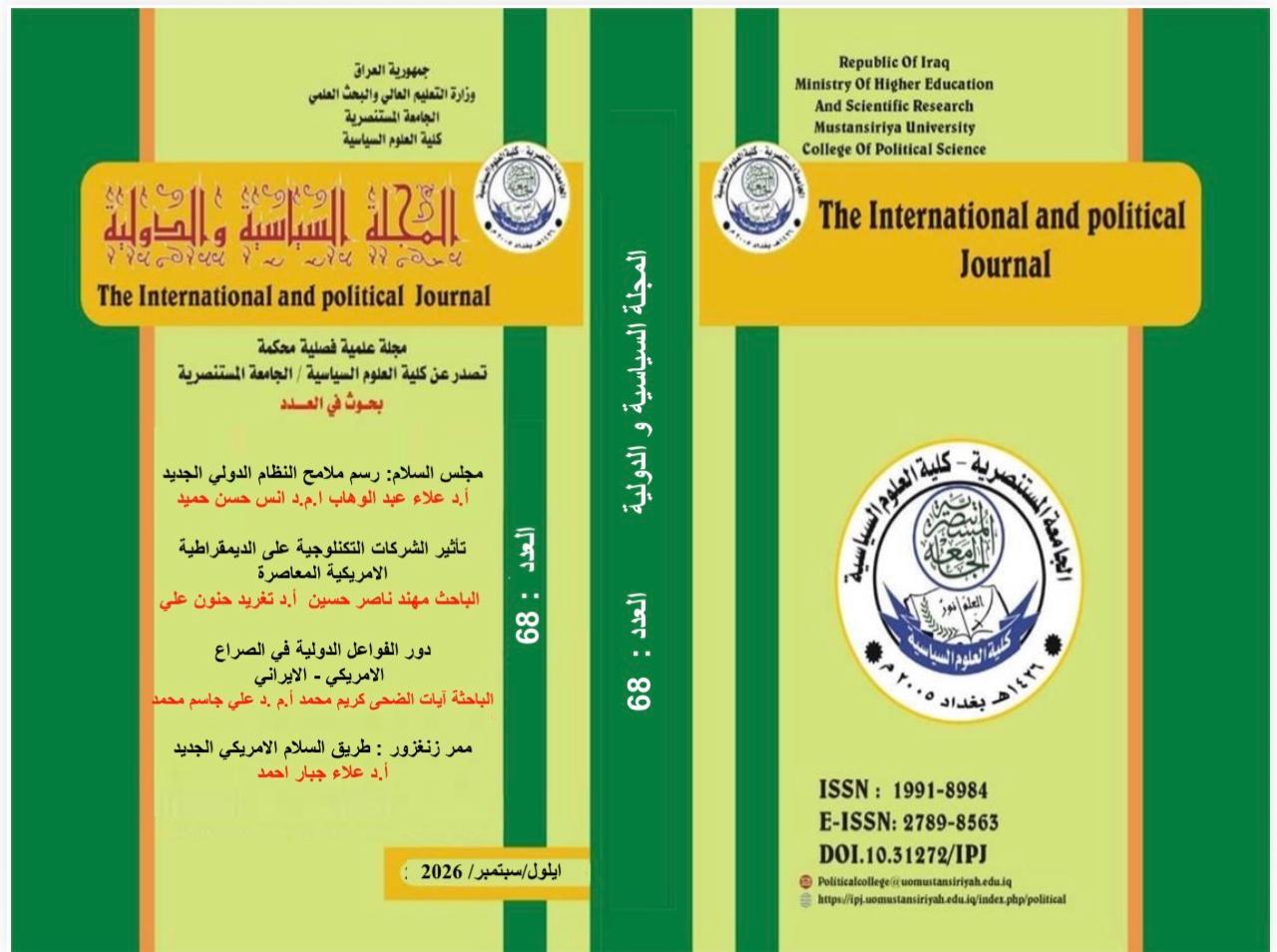
the international and political journal
Abstract
Iraq's ecosystem faces numerous challenges, including rapid population growth, the impact of wars, the misuse of agricultural land, weak environmental policies, and the failure to reach genuine agreements with upstream nations—Turkey and Iran—regarding water resource management. Additionally, declining water levels have negatively affected agricultural production and livestock, alongside issues such as air and water pollution, high salinity levels, and the repercussions of climate-induced migration.
Certain regions of Iraq have experienced climate changes that render them uninhabitable, forcing residents to migrate. These changes—characterized by water scarcity, rising temperatures, increasing desertification, and shrinking agricultural land—also drive demographic shifts and place heightened socio-economic pressure on the areas receiving the displaced populations. To improve the environmental situation in Iraq, the government must actively manage competition for water resources among local government institutions by establishing a coordination framework that ensures equitable water distribution based on the specific needs of each region.
It is incumbent upon Iraqi financial institutions—particularly the Ministry of Finance, anti-corruption bodies, and affiliated agencies—to intensify efforts to improve the investment climate in Iraq. Furthermore, Iraqi officials must engage in multifaceted dialogues regarding water issues and climate-related negotiations, cooperate with neighboring countries through official diplomatic channels, and strengthen internal governance. Equally important is the enactment of deterrent laws to penalize those who harm the environment in any form, alongside raising public awareness about the importance of rationalizing consumption and preserving the environmental ecosystem.
References
ابو بكر، نرمين رزاق، اشواق عمر خضر، (2025)، اجراءات فرض العقوبة في الجرائم البيئية: دراسة تحليلية مقارنة، مجلة جامعة الانبار للعلوم القانونية والسياسية، المجلد 15، العدد 1 .
اتفاقية المياه بين بغداد وانقرة، ادارة تركية للمشاريع والسدود، على الموقع الالكتروني: (http://www.shafaq.com/ar )
الاستراتيجية الوطنية لحماية وتحسين البيئة في جمهورية العراق 2024-2030، (2024)، بدعم من برنامج الامم المتحدة الانمائي، وزارة البيئة، ص164.
محمد الحاج، محمد توفيق، (2007)، اهمية ودور الامن الحضري في الحد من الجريمة في المدن الفلسطينية-مدينة نابلس ، رسالة ماجستير غير منشورة ، كلية الدراسات العليا ، جامعة النجاح الوطنية ، فلسطين، ص15 .
دير، أمنية، (2014)، اثر التهديدات البيئية على واقع الأمن الإنساني في أفريقيا ، دراسة حالة دول القرن الأفريقي، رسالة ماجستير، جامعة محمد خيضر ، الجزائر، ص٢٣ .
غانم، خالد محمد، (٢٠١١)، مشكلات الأمن البيئي في مراحل ما بعد الثورات العربية، ملحق تحولات استراتيجية ، مجلد ٤٦، العدد(١٨٦)، ص٢٩.
عباس، وجدان التيجاني، (2021)، الأمن البيئي، اوراق السياسات الامنية، المجلد 1 ، العدد 1 ، جامعة نايف العربية للعلوم الأمنية، ص2 .
بابان، صلاح حسن، (2021)، الجفاف يهدد دجلة والفرات لهذا يدفع العراق ثمن حرب المياه، الجزيرة نت، ص2 .
بخيت، حيدر نعمة، احمد جاسم الياسري، و نوار محمد آل رهمة، (2024)، الطاقة المتجددة ودورها في الحد من التحديات البيئية في العراق، مجلة دراسات محاسبية ومالية، المؤتمر العلمي الدولي الثالث والوطني الخامس، عدد خاص.
جاكسون، نيل، ترجمة شاديا نهرا، (2023)، تقرير عن تحديات الامن المناخي في العراق، نشر بالتعاون بين مؤسسات مسارات السلام ومؤسسة بيرغوف الانسانية، اربيل.
جبار، نعمان حمود، (2008)، التلوث البيئي في العراق، على الموقع: (www.glilgamish.org/2008/06/26/10538.html)
جواد، سرمد عباس، (2012)، القطاع الزراعي في العراق اسباب التعثر ومبادرات الاصلاح، مجلة دراسات اقتصادية،بيت الحكمة، بغداد، العدد 28.
الحباشنة، الحارث، (2023)، التغير المناخي:جفاف نهري دجلة والفرات يهدد استقرار وامن العراق البيئي والمائي والغذائي، على الموقع:(https://www.bbc.com/arabic/in.depth658.7266)
حسن، صادق علي، (2016)، التهديدات البيئية واثرها على واقع الامن الانساني في العراق، ص2448، على الموقع الالكتروني : (www.bayancenter.org/ ).
الحسناوي، زمن حامد هادي، (2025)، الحماية الجنائية للبيئة والتصحر والجفاف انموذجا تحديث 2025، مجلة الجامعة العراقية، كلية القانون والعلوم السياسية، العدد 29 .
خليل، شذى، (2024)، التدهور البيئي في العراق : الاسباب والحلول.
الخيام، فارس، (2025)، ما بعد اتفاق المائي بين العراق وتركيا ، على الموقع: (www.aljazeera.net/ebusiness/2025/10/16 )
شحادة، عمر عبد العزيز، (2025)، التوسع العمراني غير المنظم واثره في الاراضي الزراعية باستخدام صور الاقمار الصناعية للمدة (2000-2024) في محيط المدن الكبرى، مجلة العلوم الاسلامية، العدد30.
الشرق الاوسط، (2004)، هل تنجح الاستراتيجية الجديدة في حل المشكلات البيئية العراقية المزمنة.
شكري، حيدر، (2025)، ازمة المياه في العراق: جيران اقاموا السدود وقادة اخفقوا في المعالجة، على الموقع الالكتروني : (www.chathamhouse.org/2025/08/iraq-water-crisis )
الشمال، خالد، (2025)، المتحدث الرسمي لوزارة الموارد المائية، الموارد: الاتفاقية الإطارية مع تركيا تتضمن 6 مشاريع لحصاد المياه واستصلاح الأراضي، على الموقع : (http://www.ina.iq/ar/local/245733-6-html)
طاهر، علاء عبد الحسين، (2024)، الاساس الدستوري والتشريعي لحماية البيئة في القانون العراقي، كلية الامام الكاظم للعلوم الاسلامية الجامعة.
الطريفي، علي ناصر عبد الله، (2021)، اثر التلوث البيئي في تغيير مساحات الاراضي الزراعية في محافظة البصرة، مجلة الفنون والآداب والعلوم الانسانية والاجتماع، على الموقع : (www.researchgate.net.no )
عبد الجبار، فراس، و علي ضاري محمد، (2020)، استراتيجيات مواجهة التغيرات المناخية في العراق، مجلة ديالى للبحوث الانسانية، كلية التربية للعلوم الانسانية/جامعة ديالى، العدد 84.
عبود، مروان محمد، (2023)، سياسات المناصرة المناخية في العراق: الواقع والطموح، سلسلة إصدارات مركز البيان للدراسات والتخطيط، بغداد.
العبودي، محمد شريف شناوة، (2025)، سياسة العراق المائية في ظل أزمة الجفاف (استراتيجية التفاوض مع تركيا)، شؤون الاوسط، العدد 174.
العبيدي، سالم انور احمد، بشير سبهان الجبوري، (2025)، دور التشريعات البيئية العراقية في دعم الطاقة المتجددة وفقا للمعايير الدولية، مجلة جامعة البيان للدراسات والبحوث القانونية، مجلد 4 ، العدد 1، ص683، للمزيد انظر: وزارة البيئة العراقية،مجموعة التشريعات البيئية في العراق على الموقع الالكتروني: (https://doi.org/10.65263/nww29p75 )
العزي، (2010)، استشراف مستقبل التنمية الزراعية في العراق في ظل ازمة الغذاء العالمية، رسالة ماجستير، جامعة بغداد.
العنبكي، طه حميد، ناظم نواف الشمري، عمار سعدون البدري، ناصر خلف كاظم، (2025)، التغير المناخي في العراق وتأثيره في الامن الغذائي، مجلة دراسات دولية، العدد (102).
العوادي، راجي، (2025)، الاتفاقية التركية العراقية بشأن ازمة المياه من الرابح فيه؟؟، على الموقع: (www.kitabat.com )
عياش، حسناء رياض، (2024)، دور التكنولوجيا والطاقة المتجددة في بناء بيئة مستدامة في العراق، الجامعة المستنصرية/العلوم السياسية، الراصد/وحدة البحوث والدراسات الاستراتيجية، العدد 1.
العيساوي، احمد عباس، (2025)، الازمة المائية في العراق وتاثيرها على الامن القومي، مقال مركز حمورابي للبحوث والدراسات الاستراتيجية، على الموقع الالكتروني: (http://www.hersiraq.net/2025/07/19 )
فياض، هاشم نعمة، (2022)، نمو سكان المناطق الحضرية في العراق وآثاره الاجتماعية والاقتصادية، عمران، المجلد 11، العدد 41 .
محمد، سعد جاسم، (2014)، التصحر وعلاقته بالمشكلات البيئية، مجلة المستنصرية للدراسات العربية والدولية، العدد 46، الجامعة المستنصرية.
معهد السلام الدولي، (2023)، حقائق المناخ والسلام في العراق، على الموقع: (www.sipli.org/sites/default/files/2023/pdf )
مولر، اندريه، وآخرون، (2022)، المناخ والمياه والتعاون في حوض الفرات ودجلة:التحديات التي تواجه التكيف مع تغير المناخ، تقرير برعاية الاتحاد الاوربي.
وزارة التخطيط/جمهورية العراق، (2024)، خطة التنمية الوطنية سنة 2024-2028، ص81-82.
الوقائع العراقية، (2010)، قانون حماية وتحسين البيئة رقم (27) لسنة 2009 ، العدد 4142 ، المادة 33 و 34 .
سمارة، سناء، تدقيق هدى الخطيب، (2021)، تعريف النظام البيئي، شبكة موضوع الالكترونية، ص2.
نعيمة، بن عثمان، (٢٠١٦)، مفهوم الأمن البيئي، جامعة الشهيد حمة لخضر الوادي، رسالة ماجستير ، ص٩.
ابراهيم، ابراهيم محمد التوم، واحمد حمد ابراهيم الفايق، (2013)، جامعة الخرطوم، بوابة البحوث الالكترونية، ص170-171.
Additional Files
Published
How to Cite
Issue
Section
License

This work is licensed under a Creative Commons Attribution 4.0 International License.
Journal Policies
All articles published in the International and Political Journal are licensed under a Creative Commons Attribution 4.0 International License. This means that the Authors can:
The journal allows reuse and remixing of content in accordance with a Creative Commons license.
Copy and redistribute the material in any medium or format.
Policy of publishing in The International and Political Journal
The journal is committed to the ethics of scientific publishing, and according to the publication ethics report of the journal.
The decision to publish is based on the value of the scientific research, to what extent it meets the conditions of publication approved, the declared policy of the journal, and its specialty.
It is based on the principles of the scientific honesty, and originality of research submitted for publication. It deals with the names of reviewers and their reports with great confidentiality.
The opinions published in the journal reflect the views of the authors, and not necessarily reflect the opinion of the editorial board.
The journal does not adhere to the publication of whatever comes to it. The time and place of publication are subject to technical considerations adopted in the editorial plan of the journal.
The journal does not abide to return the research papers to their owners whether accepted for publication or not.
The researcher is to be provided with the acceptance of publication within about 24 WEEKS. As for publication, the editorial board reserves its right in priority of publishing. The arrangement of the research papers in the same issue is subject to technical standards.
Diversify of publishing papers from solid universities and scientific centers from inside and outside Iraq is preferable.
The journal maintains hard copies and electronic archive of the published issues in addition to the publication of the research papers.
The journal also publishes the issues electronically through the website of the journal, and the official website of the Iraqi academic journals, and makes it possible to download. Thus, documenting the intellectual property of the research papers and publishing them internationally is achieved.
Terms of publication may be modified when necessary with no previous notice.
The researcher obtains a copy of his research paper. If he wishes to buy acopy of the journal, the volume costs ID 10000 from inside Iraq and $8from the outside.
The Editorial Board considers that the researcher who submits his research paper for publication in the journal has already read the terms and conditions of publication and agreed on them.
The journal publishes the research papers of the postgraduate students in special issues for this purpose.
Stages of editing and publishing:
The researcher undertakes that his research has never been published before, and has not been submitted for publication to other sides until the end of the evaluation procedures and the acceptance of publication in the journal.
The research papers submitted for publication are to subjected for preliminary examination by the editorial board to determine their suitability for the journal specialization, its policy and the safety of scientific research procedures, and then to indicate its eligibility for scientific evaluation. The editorial board may apologize for accepting the research all together or require the researcher to amend it in accordance with the journal policy before sending it to editors.
After conducting the scientific evaluation, the research paper returns back to the researcher to make the required amendments within a maximum of two weeks.
A copy of the final research paper is to be submitted to the secretariat of the journal a hard copy and a soft copy on a CD, in both Word and PDF format. The researcher is fully responsible for the typing and linguistic mistakes after submitting the full research paper on a CD.
Plagiarism checker
All research papers are subjected to Turnitin program to uncover plagiarism before being sent to scientific evaluation. The researcher undertakes a written pledge to take the legal and moral responsibility, in the event of the emergence of plagiarism or taking from the efforts of other researchers, without a reference to them. The journal uses appropriate anti-plagiarism software, such as Turnitin to check for plagiarism.
Dealing with Allegations of Research Misconduct
The Journal shall take reasonable and serious steps to identify and prevent the publication of papers where research misconduct has occurred, including plagiarism, citation manipulation, and data falsification/fabrication.
Scientific Evaluation:
Scientific evaluation strengthens the research paper submitted to the journal and helps to take the appropriate decision by the editorial board to publish it. It also benefits the researchers to improve and correct their research papers.
The research paper is sent to three evaluators in the same specialty to evaluate